
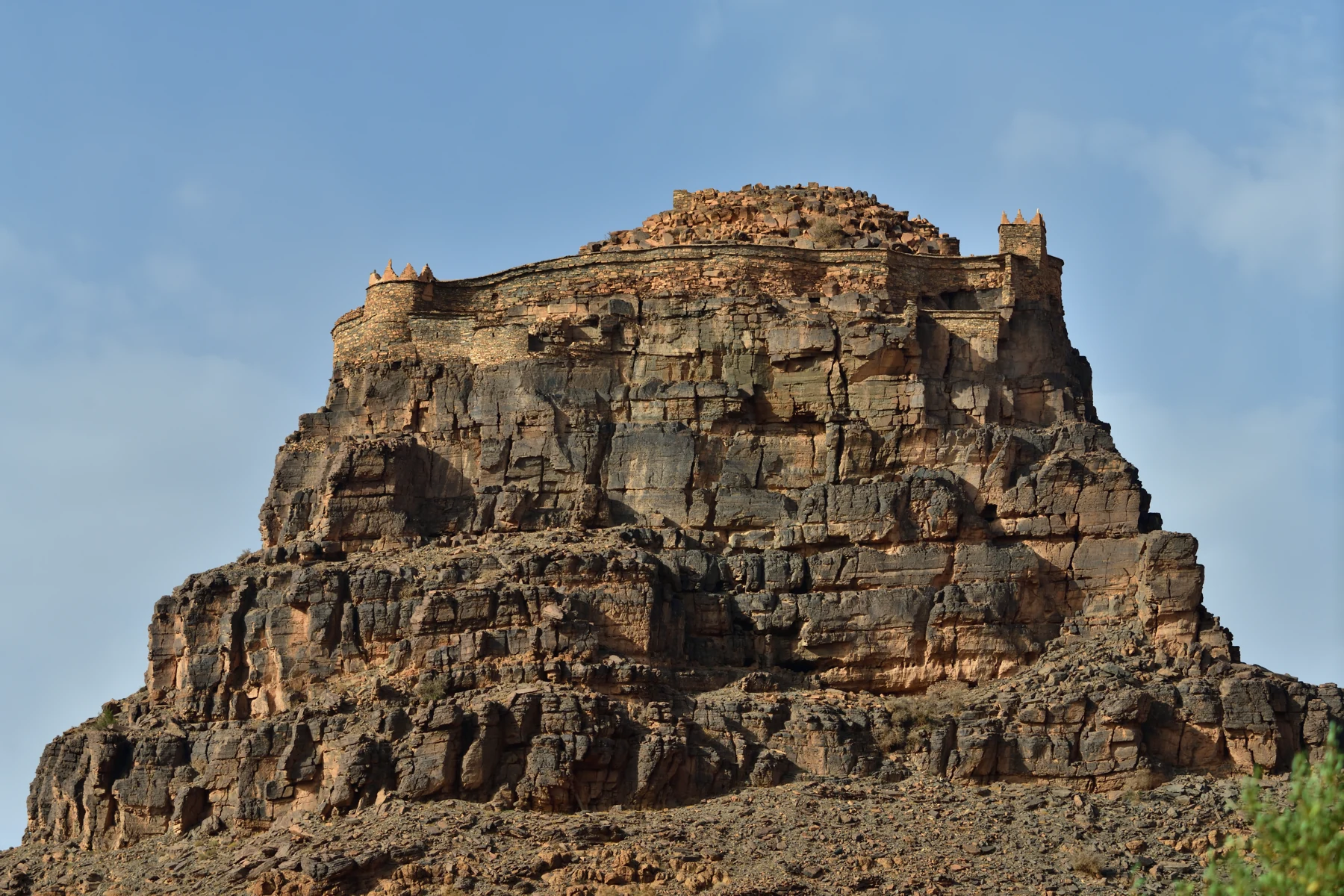
Small doors side by side, above them another row, surrounded by thick walls. In the Moroccan community granaries, in the igudar buildings, separate storage sites of families are placed in a jointly protected building. In order to guard the crop and values, we also need a manual for building: who has a place, who takes care of the entrance, and when to access what has been put in. [1]
Behind a door could be the supply of a family, behind the next one. While guarding the outer gate, it's important to all of you. According to a recent local report in Kinn, a caretaker is still opening and closing this gate. [3] What I'm interested in here is how many separate storage facilities remain usable within a common framework.
One building, many separate places
The plural number of the word agadir is igoudar; in different transcriptions you can also see it as iguidar or gigudar. This is the fortified community storage unit. We're not talking about the coastal city. In particular, these buildings belong to the local built heritage in Anti-Atlas and the oases of the Sahara rim. [2]
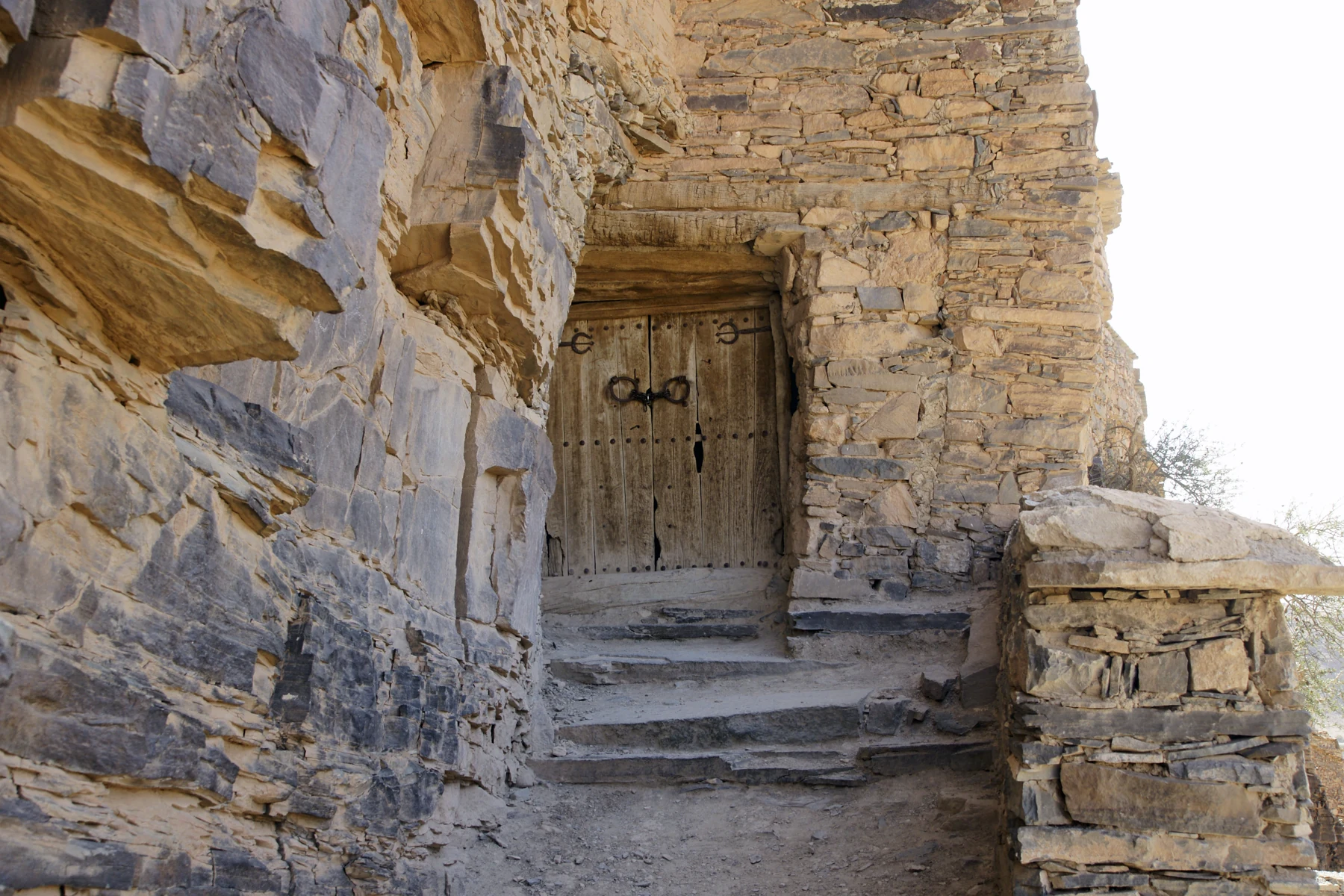
The pictures of Amtoud show up immediately with a protective placement and the complexity of the building. In the photo taken from the entrance, the wooden door is surrounded by a thick stone wall and a part of the building extending over it. There's a staircase to the threshold. We don't know the order of opening yet, but we can see where access is narrowed down a single door.
It's easy to think from a community marker that everything in there was part of one big joint set. Instead, the World Monuments Fund article describes storage sites designated for families. [1] The joint building and separate family use worked together. If we don't separate this, the most important detail of the door line remains incomprehensible.

In Aït Kin, there is still something to protect behind the doors
The Aït Kin of the Tata province is a good example that such a building cannot be automatically regarded as an out-of-use monument. According to the Moroccan State Portal report of 8 June 2026, MAP-source reports contain cereals, in particular barley, dried fruit, valuable documents and family goods. [3]
The report also describes the duty of the caretaker: he opens at dawn, closes the gate at sunset. Ibrahim Amrakki refers to premises used by local heritage research families and separate Community storage facilities. [3] This is the documented operation of Aït Kin. In other magars, you have to ask about your own usage system.
The presence of documents is particularly good detail: besides food, they also protect things whose value is given by the content written on them. The report does not list these documents, so I would leave their exact role open. It would be easy to imagine a story behind an old door; what we know about it is enough.
The construction date is also worth keeping to a level. The report refers to documents remaining from 1708 as evidence of use, while the exact construction time is described as unknown. [3] The two match. Just because we have an old document doesn't mean we have a birth certificate for the building.
How far does the bank analogy go?
Based on family valuables, it's understandable why someone would think of a bank or a safe room. The similarity makes one part immediately clear: what I place will be entrusted with a common framework for its security. The door and the lock really matter.
But I would stop here with the analogy. For the oldest bank in the world, what we call a bank should be defined and compared with other institutions. The description of a guarded family storage does not automatically result in credit, currency or deposit management.
The building is strange enough without a bank tag. The caretaker must open and close the gate even if the traveller is looking for a historic primary. It's easier for me to understand what this place is for from his day job.
The wall repair and maintenance of use are two jobs
The regional tourist development organisation of Soussa-Massa, built from stone, describes multi-storey storage lines on both sides of a long traveller. The restoration was also carried out by municipal, heritage and local associations. [2] The group of participants now shows that a building like this meets several jobs.
Once a wall has been repaired, there will be a specific question of what the building is used for. They store in it? Visitors go there? Who opens it, who keeps it right, and how? These aren't the same answers in every place. The photograph of the refurbished surface alone does not tell us how much of the original operation remains.
In the World Monuments Fund presentation there are professionals and craft trainings studying alongside local builders to protect buildings. [1] This has a tangible bet: will there be a man who knows the material and can do the next repair? Today's work is just as much part of the history of this place as what was put together centuries ago.
What's worth asking on a visit?
I would first like to clarify whether I have arrived in a working storage facility, or if I have been introduced primarily to a monument. It depends on what a locked door means. It could be the original space preserved behind it, but it could be someone's used compartment today. As a visitor, I see the same door; the connection to it is quite different.
My next question would be who uses and guards the building. If there is a local management, I would like to ask for the history of the specific seed chamber: which part has been repaired, what has the corridor served, which room was shared? A well-shown detail is worth more than a general story about all the Moroccan villages.
As a photographer, I'd also like to show you the entire gate and the repetition of the diaphragm doors. The former makes the level of access visible, the latter the distribution of the container. But I would only take a picture of the caretaker if he agreed. You don't have to prove by your presence that the old walls still have something to do with today's life.
Opening, admission fee and visiting opportunities should be agreed at a specific place and time. An operating description of Aït Kin is not Amtoudi's schedule. The door line can be photographed without opening everything for us.
Sources and verification
Source verification:
- World Monuments Fund / Global Heritage Fund: Inside Morocco's Historical Community Granada - Storage, community role, restoration and local training for families. The presentation provides information on its own project; it is not an independent impact assessment.
- SDRT Souss Massa: Réhabilitation du granier collectif d - Ighir Ifrane et ses abords - Project description of local development organisation: location, building structure and participants in recovery. Visiting hours or admission fees will not be recorded.
- Maroc.ma / MAP: Agadir Aït Kin - 8 June 2026 A local heritage research report on the storage units used today, the doorman of the gate and the 1708 files. The construction date is unknown; the operation description refers to Aït kin.
Research cultural article, documented without its own site history. Aït Kin, Ighir Ifrane and Amtoudi are separate locations. The pictures were taken in Amtoudi, a concrete example of today's operation is Aït Kin. We do not set a single key management system for all magars, banking firsthand or a controlled visit schedule.