
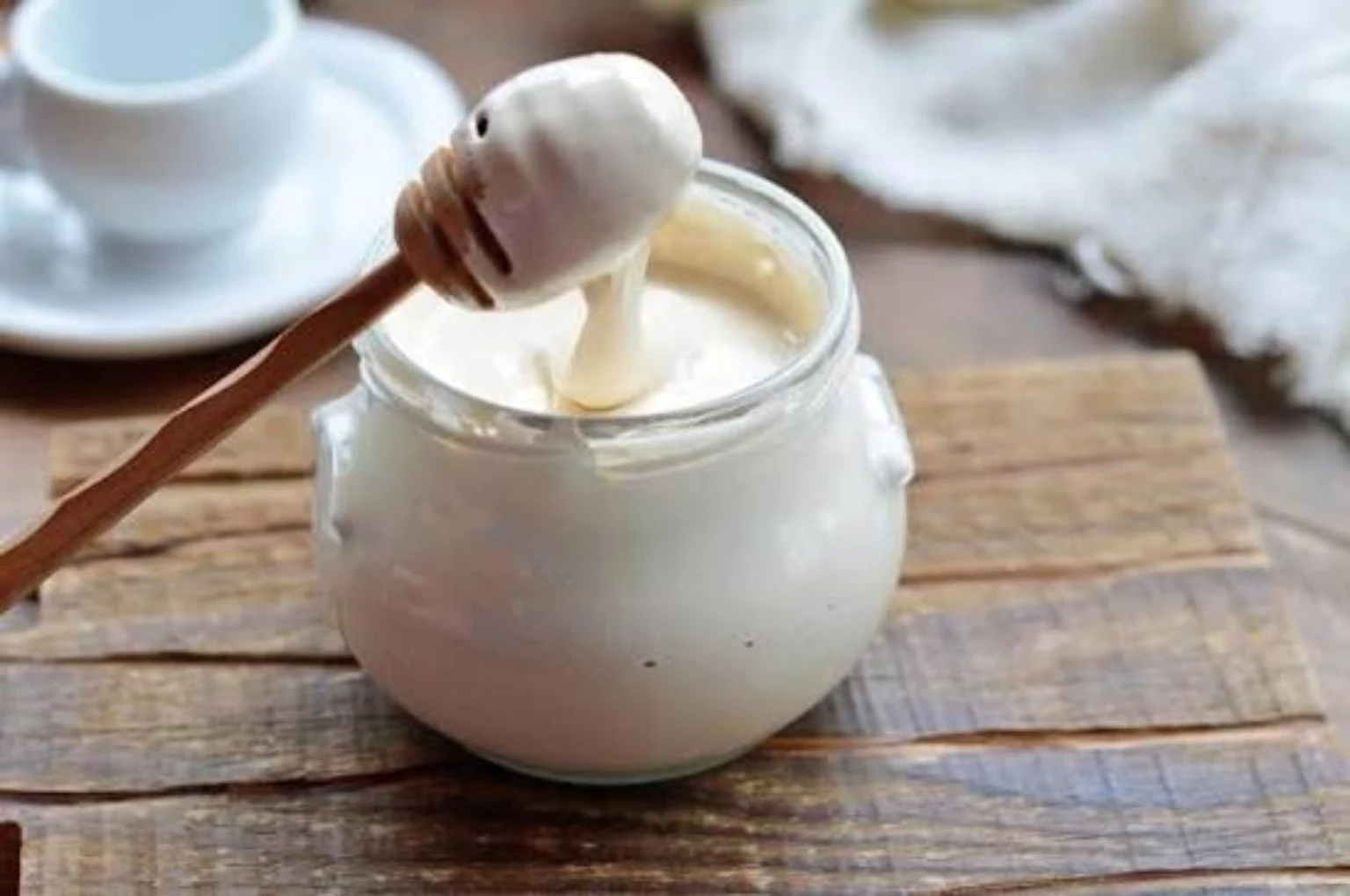
I brought white honey, dark honey and crystalline honey from Kyrgyzstan. He used to come home from Iraq with a bottle, and from Morocco I regularly bring something they sell as cactus honey. I'm just starting to wonder why you're so interested in me. It feels like I'm bringing a healthy piece of the living ecosystem with me. Something I can taste later when I've been somewhere else a long time.
The honey does have something of its origin. The work of vegetation, flowering and bees transforms its composition; the plant origin also appears in its taste, scent and physical properties. Then the beekeeper and storage add yours. When I say I'm gonna taste the land, this is a short version of this whole relationship for me.
I can't bring home most of a landscape in the first place. The light changes the next day, the road continues, and this place lives its own life without me. As a photographer, I can turn some of this into a picture. Honey happens differently: it stays with me from the same material that was made there.
That's what holds me in it. A bottle of honey is food and something very stationary. You can eat it. This puts him in a rather unusual position among the monuments.
How much of a landscape can it hold?
The road to honey usually begins with the nectar of flowers. The bees collect it, transform it with their own materials, draw water from it, and matured in the spleen. There are also honey dew honey which is made of sweet substances related to insects of other plant origin or on plants. The starting point isn't the same in every bottle.
That's why honey is interesting to me as an object brought home from the road. The landscape here is involved in the creation of the material. It's not just a picture of a mountain or a flower on the packaging. Along with the plant origin, the composition and organoleptic character are changing.
Of course, a country is too big a unit to have one taste. Under the name of Kyrgyzstan there are just as many kinds of honey as there is not only one under Hungary. The differences are interesting to me. That white and that dark bottle came home from the same road, but it doesn't show the same thing.
The taste of the landscape is how I like to use it: as curiosity. Which plant flourished? When did the bees collect? What did the processing leave out of this? A spoon of honey can have a surprisingly many questions if you spend a little more time with it.
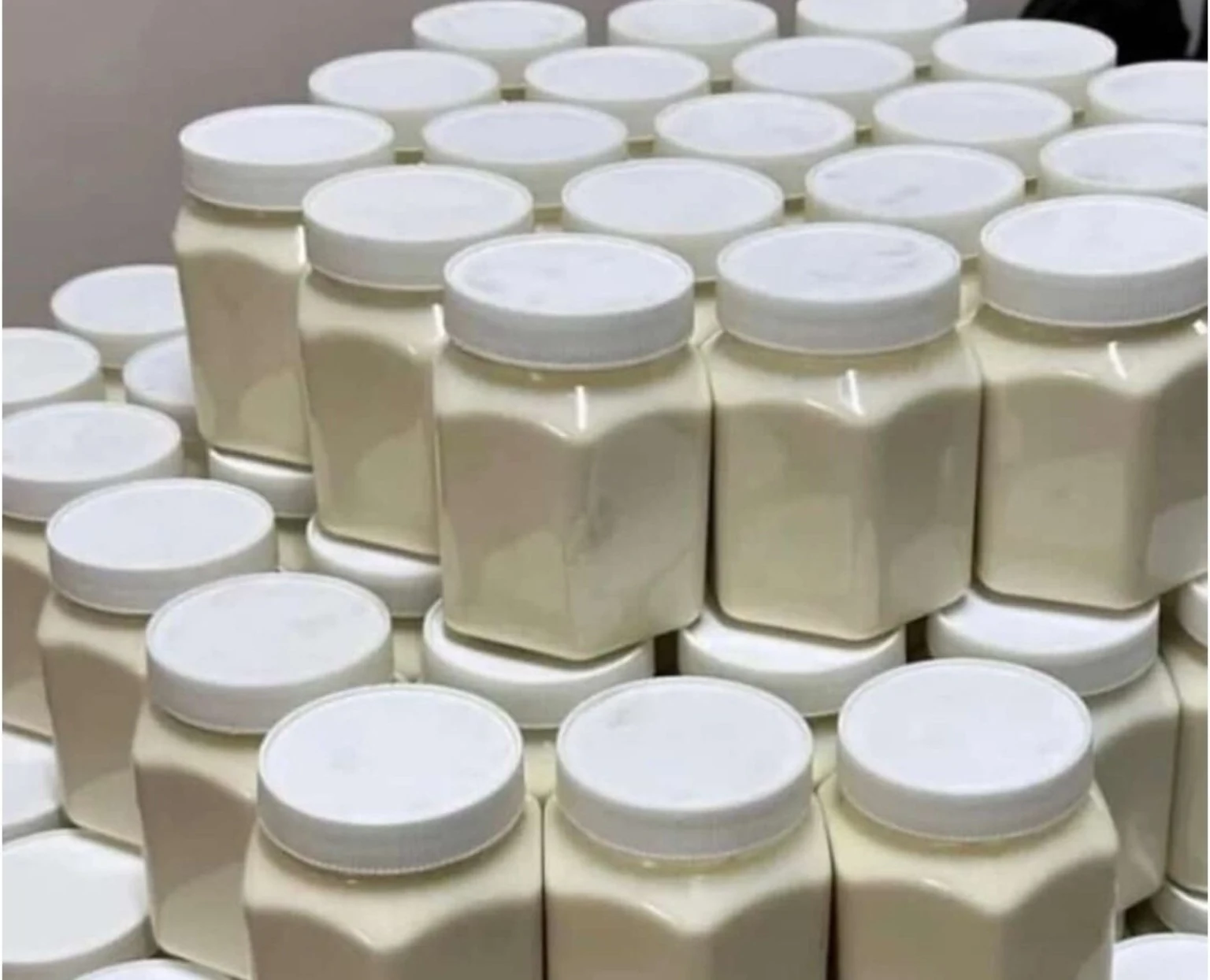
The uniqueness of the Kyrgyz white honey
The white honey, with its color, is already hanging what we're used to about honey. We mostly have translucent gold in our heads. Compared to this, a clear, solid honey easily gives the impression of something quite different.
In Kyrgyzstan, this has a real production background. White honey from the area of At- Bashy, Naryn region is a known local product. In the mountain vegetation of the region, the baltacim can also be found; it is called sainfoin in English. The white colour of the honey is formed during the crystallization.
Light is therefore partly a matter of material structure. The appearance of crystalline honey changes; white glucose crystals make it clearer. It is not necessary to imagine milk or other white ingredients.
In white honey, I'm also interested in how quickly we attach quality to a color. Unusual becomes unique, and special is almost healing in the head. In the meantime, whiteness alone doesn't tell us how valuable a honey is in our diet. For me, the kuriosis of red white honey is primarily a combination of origin, appearance and consistency.
I also like the idea that sometimes a plant name brings us closer than another big marker to learn about a mountain product. It is difficult to ask further questions after the purest, the best, and the world-famous. But after my axe, there's plenty more to do.
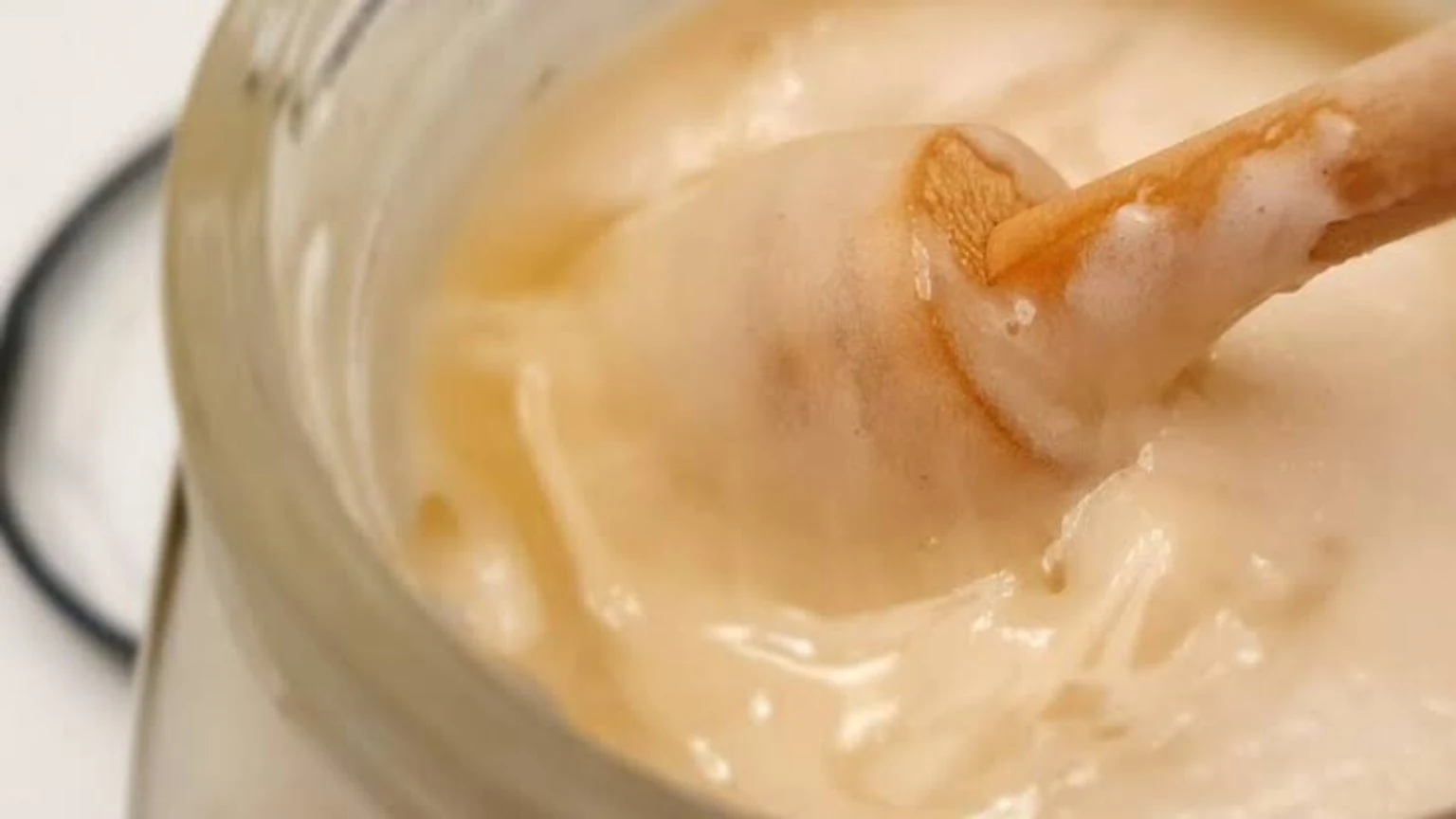
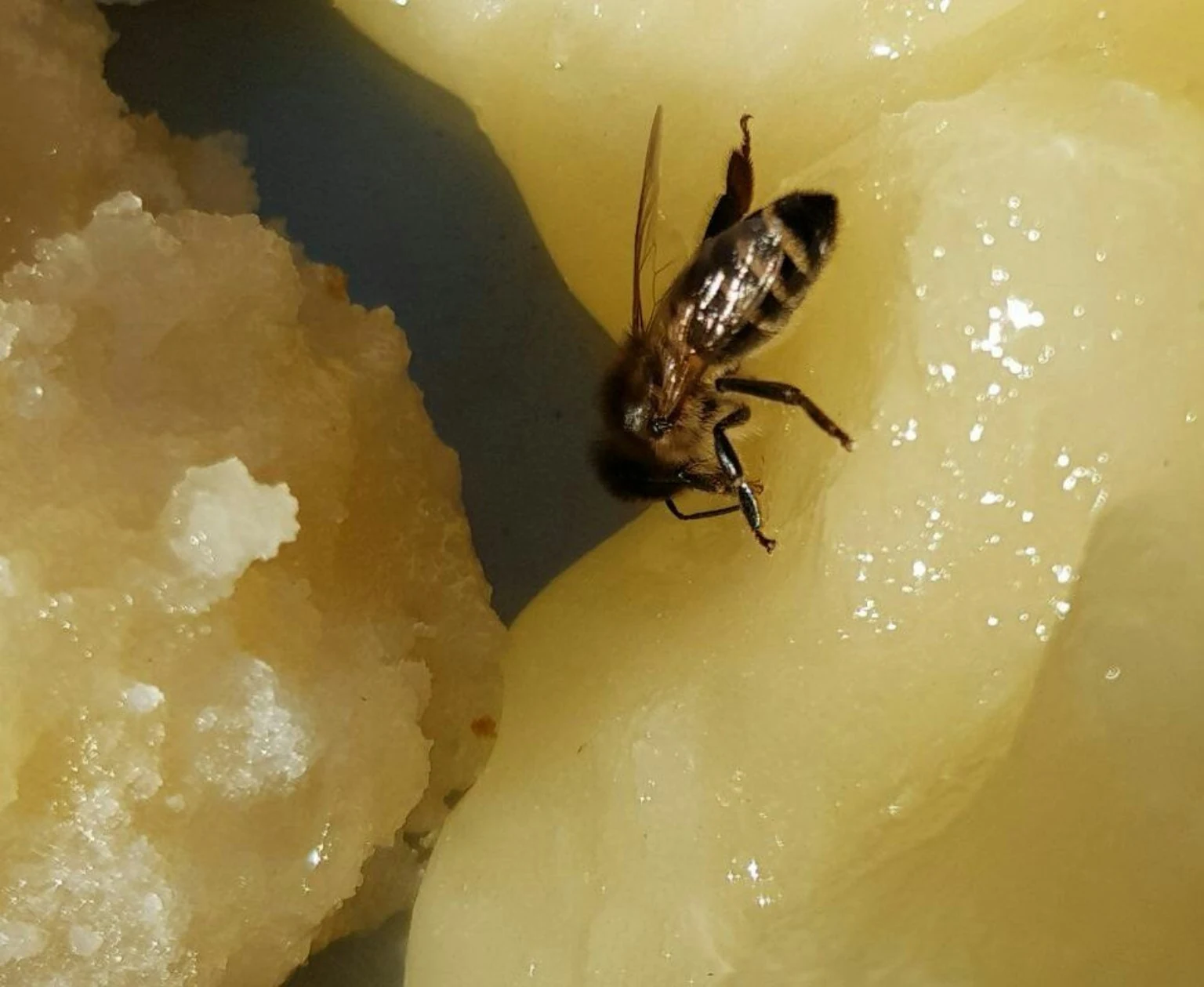
In crystal honey, the material continues to work
In my own list there is also white, dark and crystalline honey. But these are not mutually exclusive categories: one represents color, the other condition. A dark honey can become crystal.
Crystal formation is part of the natural behaviour of honey. Some of the glucose in it forms crystals; its rate is also influenced by composition and storage conditions. The size of the crystals is not always the same, so the consistency can be more subtle or granular. In itself, crystallization does not prove deterioration or added sugar.
There's something sympathetic about that. I bring home a sealed bottle, and I tend to think of it as an unchanging object. In the meantime, the contents continue to evolve. Honey won't keep exactly the look in which I first met her, just because I have a memory of it.
In addition, the consistency deserves special attention in the taste. The same candy feels different when it flows, and the other way if it allows the spoon to slow down. You might want to do that, too, instead of trying to force all the bottles back into the same liquid form.
A plant is also worth looking for behind the Moroccan * cactus honey *
From Morocco, I regularly bring honey sold as cactus honey. This is a good example of the fact that the name used during the journey and botanical accuracy do not always meet fully.
For example, in Morocco honey is derived from the collection of Euphorbia resinifera and Euphorbia officinarum. They're like dog milk. Euphorbia resinifera in Morocco is an indigenous, porous plant. In other words, it may be a plant that resembles cactus but belongs to another plant family. The exact origin of a specific bottle is not decided by the name itself.
It doesn't take me away from him. You're gonna add another detail to the place where I get it. I look at a plant differently when I know it has something to do with honey. Until then, the part of the landscape that we see as a background will suddenly become raw material.
There are further differences within Moroccon. The mineral content and the antioxidant activity have also shown differences in various samples of carob honey of geographical origin. Even the honey under the same plant name did not give a completely identical result.
This is much more interesting than putting countries in line according to where the best honey is made. The question is what kind of honey was born in that place, from those plants, and what we can actually learn.
Iraq and Quality
I brought honey from Iraq, too. For me, this is a personal connection; it is worth talking more about the quality of honey than the country of origin.
There are high-quality honey products from the beekeepers of the governors of Iraqi Kurdistan Dohuk and Erbil, which are comparable to medium-European honey. This says something about the samples in question; it is not a full certificate for Iraq.
As a traveler, it's easy to mix distance with value. A bottle taken from far away has a lot of stories for me in the first place, so I'm also looking at the taste with a different focus. That makes his bond real. It just doesn't measure the same as a lab test.
Good honey counts for real, proper maturity, treatment and storage. Water content or differences in excessive heat treatment, aging will help to assess quality more than a spectacular picture of the country on the label.
I would therefore like to keep two separate questions. Is the honey of good quality? And which one do I like, which one do I connect to? There's no need for the same bottle to win both.
What might make it good for our bodies?
In my original mind, it's an important word to say that it's healthy. There is a basis for seeing more in honey than just candy, but the proportions are worth keeping.
In honey, there are also small amounts of minerals, organic acids, enzymes and various plant compounds in addition to sugars and water. The composition changes as honey. For example, in Moroccoi samples, sodium, potassium, calcium and magnesium, as well as phenolic compounds have been measured.
Potassium appears as a mineral ingredient in several honey tests. Other elements can be found next to it, but a normal dose of honey is not considered to be a mineral substitute. There is a great difference between the nutrition source (s) and the food source (s).
Antioxidants are mainly found in phenolic compounds, including phenolic acids and flavonoids. Their volume and measured activity in the laboratory are tested for various honey. Moroccan dog cells have also shown such activity, but a laboratory result does not automatically result in a spoon of honey disease being prevented or treated in humans.
The color here doesn't give you a simple ranking. Dark honey often contains more minerals, but antioxidant properties depend on plant origin and the method of analysis. For example, in a Moroccan comparison, some antioxidant tests showed a higher activity than tested dog milk. The darker one is not better in every way.
There is a more tangible, everyday use: honey-lemon hot drink can relieve cough, although the evidence to support this is limited. Honey should not be given under the age of one.
In the meantime, honey's sugars are free sugar. The natural origin does not overwrite this, nor does it remove the consequences of excessive consumption in dental or energy.
That doesn't make it any less valuable to me. You don't have to make every meal you love into a diet supplement. Honey is a complex, varied food, of which a small amount may be enough to keep an eye on its taste.
What is worth keeping alongside the jar?
If I bring honey home, it would be worth keeping the same amount of information about its origin as from the road itself. The name of the producer, the place, the time of purchase and the specified plant origin may later say more than the symbols added from memory.
And tasting doesn't necessarily require a complicated ritual. You can place two different honey together, first taste them on your own, and listen to what happens beyond candy. How strong is the smell? How's the consistency? How long will the taste last? Do you like the same thing as a second taste?
I'm curious about these. The good thing about collecting honey is that there's something incomplete left in it. I brought the bottle home, but I don't know everything about it yet. You can look into a plant, specify a name, compare it to another honey. A small detail of the journey will continue to provide work for attention.
And they're losing weight. That's the weirdest part. I can look at a photograph over and over again without leaving any less of it. Every time the honey goes down in the bottle.
When I say I can taste the land later, that's what I mean. I've already left, but from what was blooming there, there's still some left.